


Content


Senior PPC Specialist
He has been working in the field of Internet marketing since 2016. At Promodo, he is currently developing services for automating PPC specialists working processes. Borys is the author of the course on Google Ads scripts. He has considerable experience working with topeCommerce companies.
1. https://academy.promodo.ua/course/kurs-avtomatizaciyi-akauntiv-google-ads-5
2. https://www.upwork.com/freelancers/~014ee876a848a3c943

The U.S. automotive dealership market continues to grow at an impressive pace. According to Mordor Intelligence, the market is projected to reach $3.83 trillion by 2031. With numbers like these, competition among dealerships is only becoming more intense.
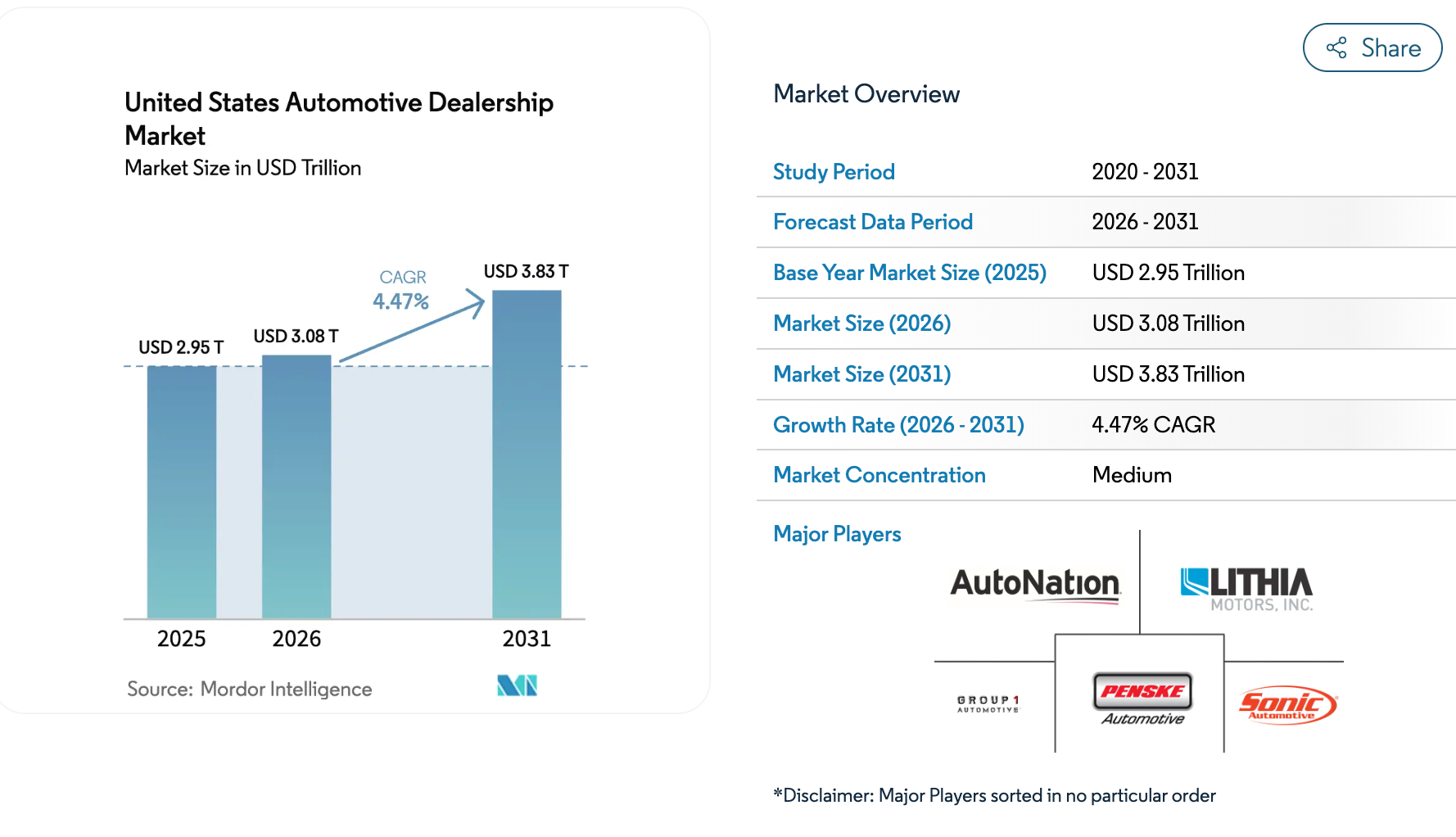
But growth in the market doesn’t automatically mean growth for every dealership.
Today’s buyers start their car search online, compare dozens of options within minutes, and expect transparent pricing, fast responses, and a seamless digital experience. At the same time, dealerships face rising advertising costs, crowded search results, and increasing competition from both local dealers and large online platforms.
Standing out in this environment requires more than simply listing vehicles online. It demands a thoughtful automotive dealership marketing strategy that attracts high-intent buyers, builds trust, and moves potential customers from research to purchase.
In this article, we’ll explore 14 effective car dealership marketing strategies to help strengthen your online presence, attract qualified leads, and ultimately increase sales.
The automotive industry has undergone a dramatic shift in how buyers research, compare, and choose vehicles. Today’s customers are online-first—browsing inventory, reading reviews, and comparing prices long before they ever walk into a showroom.
With rising competition from online marketplaces, direct-to-consumer auto brands, and even social selling platforms, traditional marketing tactics alone no longer cut it. That’s why car dealership marketing is more critical than ever.
Car dealerships operate in a competitive landscape where vehicles represent high-value, emotional purchases—freedom, status, and reliability. Effective car dealership marketing strategies, including digital marketing for car dealerships, go beyond ads and discounts to foster trust, generate qualified leads, and boost sales. According to Cox Automotive's Car Buyer Journey Study, 63% agree that the ideal retail experience combines online and in-person activities making targeted automotive SEO and automotive PPC campaigns essential.
The car buying process usually takes time. Most buyers compare models, read reviews, and visit several dealerships before making a decision. Marketing tools like retargeting ads and email communication help dealerships stay visible during this research phase and remind potential buyers about available offers and inventory.
Today, most people start their car search online. They browse inventory, compare prices, and read reviews before visiting a dealership. A strong digital presence—combined with a smooth in-store experience—helps guide customers from online research to an in-person purchase.
Not every visitor to a website is ready to buy. With tools like local SEO, search advertising, and geo-targeted campaigns, dealerships can focus on people who are actively looking for vehicles in their area. This helps reduce wasted advertising spend and brings more qualified leads.
Selling a car is just the beginning of the relationship. Many customers return to the same dealership for maintenance, service, or future purchases. Marketing tools such as CRM systems, service reminders, and loyalty programs help maintain communication and encourage repeat business.
For many buyers, a dealership’s website is the first point of contact. A well-structured site with clear vehicle information, photos, and easy contact options helps visitors quickly find what they are looking for and encourages them to book a test drive or request more information.
Online reviews and ratings play a big role in how customers choose a dealership. Maintaining an active Google Business Profile, responding to reviews, and encouraging satisfied customers to share their experiences can strengthen credibility and attract more local buyers.
The car buying process usually takes time. Most buyers compare models, read reviews, and visit several dealerships before making a decision. Marketing tools like retargeting ads and email communication help dealerships stay visible during this research phase and remind potential buyers about available offers and inventory.
Today, most people start their car search online. They browse inventory, compare prices, and read reviews before visiting a dealership. A strong digital presence—combined with a smooth in-store experience—helps guide customers from online research to an in-person purchase.
Not every visitor to a website is ready to buy. With tools like local SEO, search advertising, and geo-targeted campaigns, dealerships can focus on people who are actively looking for vehicles in their area. This helps reduce wasted advertising spend and brings more qualified leads.
Selling a car is just the beginning of the relationship. Many customers return to the same dealership for maintenance, service, or future purchases. Marketing tools such as CRM systems, service reminders, and loyalty programs help maintain communication and encourage repeat business.
For many buyers, a dealership’s website is the first point of contact. A well-structured site with clear vehicle information, photos, and easy contact options helps visitors quickly find what they are looking for and encourages them to book a test drive or request more information.
Online reviews and ratings play a big role in how customers choose a dealership. Maintaining an active Google Business Profile, responding to reviews, and encouraging satisfied customers to share their experiences can strengthen credibility and attract more local buyers.
The used car market is more competitive—and more digital—than ever. With customers spending hours online researching options before even contacting a dealership, your marketing strategy needs to do more than just list vehicles. It needs to build trust, capture attention, and guide buyers toward your lot.
Here are 10 tried-and-true marketing strategies that help dealerships move inventory and grow their customer base:
Nowadays, 23% of US customers are ready to make automobile purchases fully or partially online. That is why a strong online presence is a basic car dealer marketing strategy. Ensuring good UX/UI is critical for attracting and retaining potential buyers. Invest in the development of a user-friendly website, replete with high-quality images, detailed vehicle descriptions, and intuitive navigation. Given the prevalence of mobile browsing, ensure that your website is optimized for seamless access on smartphones.
An important part of auto dealership marketing is settling a strong connection with your audience. A well-crafted content marketing strategy is a great tool for this purpose. Create and use interesting, useful content on topics that are important to your target audience. The list of car dealership promotional ideas for content marketing includes car-related insights, maintenance tips, and industry trends. Regular blog posts, articles, and visually appealing infographics can establish your dealership as an authoritative source. At the same time, it allows driving organic traffic to your website.
Automotive paid ads is definitely one of the most effective car dealership promotion ideas. With digital tools like PPC campaigns, social media ads, and local targeting, dealerships can reach high-intent customers precisely when they’re ready to make a purchase. Advertising not only increases visibility and brand recognition but also creates opportunities for dealerships to showcase unique offers, highlight customer testimonials, and build trust through authentic storytelling. In a competitive market, smart automotive advertising ideas isn’t just about selling cars—it’s about creating memorable experiences, nurturing customer relationships, and staying top-of-mind throughout the buyer’s journey.
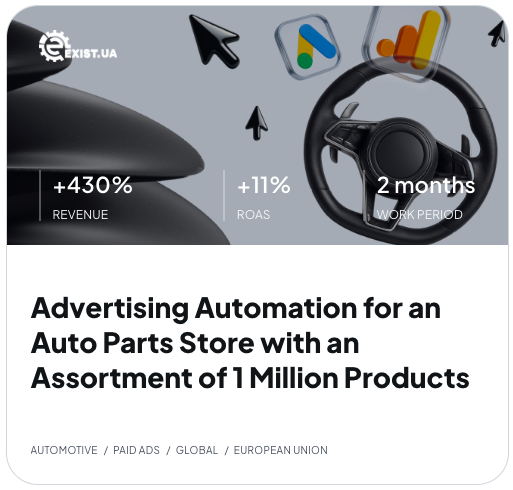
Running paid ads for a dealership is more than just boosting visibility—it’s about reaching the right customer at the right moment, efficiently and effectively. This was exactly the challenge we tackled with our client, a large online auto parts store with 21 offline locations and over one million products.
Promodo restructured their PPC strategy: products were grouped by price, inactive “Zombie SKUs” were managed strategically, and search campaigns were automated using G-MOS for precise targeting based on real user queries.
The result: campaigns scaled efficiently, budgets focused on high-potential products, and previously dormant SKUs started driving revenue—all while maintaining target ROAS.
Even if someone visits your website or browses your inventory without taking action, they shouldn’t be forgotten. Retargeting — showing ads specifically to people who have already interacted with your dealership — is one of the most effective ways to bring potential buyers back.
This can include display ads on social media or other websites, dynamic ads showcasing the exact cars a user viewed, or personalized offers to incentivize a test drive. Unlike broad campaigns, retargeting focuses on warm leads who already know your brand, increasing the chances of conversion without wasting ad spend.
When combined with email campaigns, retargeting ensures your dealership stays top of mind across multiple channels, guiding potential buyers down the path from consideration to purchase.
Running marketing for car dealerships, use the full potential of social media platforms like Facebook, Instagram, Twitter, and even TikTok to connect with your target audience. Share engaging content, run targeted advertisements, and actively interact with your community. Today, social media is not only an effective tool for building brand awareness but also a powerful source of sales-qualified leads.

A good idea of digital marketing for car dealers is engaging your target audience with qualitative video content. Promodo experts recommend creating different videos to showcase your inventory effectively. Develop virtual tours in your dealerships, test drive videos, and customer testimonials as part of your auto dealership marketing strategy. Platforms like YouTube and TikTok are great social media channels to reach a broader and diverse audience.
Not new but still powerful car sales marketing trick is attracting potential buyers with attractive incentives, special promotions, and exclusive discounts. Launching automotive dealership marketing strategy, consider limited time offers or unique discounts for your social media followers to create a sense of urgency, ultimately driving sales.

One of the most obvious also critically important car sales marketing ideas is providing exclusive service for your customers. Outstanding service can be a key success factor for your dealership. Invest in comprehensive training programs for your employees to ensure they are knowledgeable, helpful, and responsive. Positive customer experiences not only lead to word-of-mouth referrals but also to repeat purchases of vehicles at your dealership.
“Targeting the best service quality at your dealership, consider the importance of the call center. Customers are often not sure which type and model of vehicle they need. That’s why they prefer consulting via phone. That is why creating paid ads for car dealerships, we offer our client adding the call extension to the add copy”.
Borys Dziundziuk, Senior PPC Specialist at Promodo
43% of car shoppers say that promotion and sales automotive emails motivate them to visit a dealership. That is why we insist on using a comprehensive email marketing campaign as part of your car dealership online marketing to increase leads and sales. It’s better to segment an email list to launch targeted campaigns to potential buyers. Keep your audience informed about new arrivals, promotions, and maintenance tips. Personalize your email communications to enhance engagement and develop customer loyalty.
In addition to email, SMS is a powerful tool for retention marketing. It allows dealerships to deliver timely, direct messages to customers, such as:
Combining email and SMS ensures your dealership stays top-of-mind and fosters stronger engagement with your customers.
Important❗️: We’ve compiled a list of email marketing benchmarks as well as other automotive digital marketing insights in comprehensive research.
As 80% of automotive customers come to the dealership from a 25-mile radius, local search engine optimization is critical for ensuring that your dealership appears in relevant local searches. That is why incorporating location-specific keywords, claiming and optimizing your Google Business Profile listing, and actively encouraging customer reviews to enhance your local online visibility are obligatory dealership marketing tactics.

Do you know how to use Google Local Search Ads? Read our article and learn how to attract local customers.
Allow potential buyers to experience your cars for themselves by offering test drives. Additionally, consider hosting different events, parties, or exclusive previews to attract the attention of local customers to your car dealership.
Last but not least automotive marketing idea deals with AI. To strengthen your digital marketing for car dealerships strategy, we recommend staying updated on technological advancements. Innovative car dealer marketing ideas are integrating chatbots on your website as well as launching AI tools. The bots provide instant assistance and engagement, available 24/7 which will improve your customer service. In addition, the use of AI-powered tools can automate repetitive tasks, streamline processes, and significantly improve the overall customer experience.
While digital dominates most marketing conversations today, traditional channels still play a huge role in how people discover and trust car dealerships. Buying a car is a big decision — and many customers still prefer face-to-face interaction or tangible experiences before committing.
Local events and sponsorships remain one of the most effective ways to build brand visibility. Supporting community fairs, sports teams, or charity events puts your dealership in front of potential buyers in a friendly, non-salesy context. It’s about being present where your customers live and spend their weekends.
Billboards and outdoor advertising still work too — especially when placed strategically near highways, busy intersections, or shopping centers. A simple, recognizable message with your logo, phone number, and a strong offer can create awareness long before someone starts searching online.
Don’t overlook print and radio either. Local magazines, newspapers, and radio stations can deliver highly targeted exposure within your region. While these channels might not bring instant leads, they help reinforce your brand name and build familiarity — something that matters when a buyer finally decides to visit a dealership.
Finally, word of mouth and customer referrals are still gold. A satisfied buyer who shares their experience with friends or family is worth more than any ad spend. Encourage this through referral bonuses, personalized thank-you messages, or exclusive service discounts.
Traditional marketing might seem “old school,” but when combined with digital campaigns, it strengthens credibility, trust, and local awareness — all key drivers for car sales growth.
To build trust and encourage purchases, your offers should be clear and easy to understand. In addition to discounts and special incentives, it’s important to include financial options that make buying a car easier:
Transparent offers make the buying process clear and motivate potential customers to take action faster.
A modern car buyer moves fluidly between online research and in-person experiences. Your marketing should guide them every step of the way — from their first visit to your website to driving off in their new car.
Website: The journey begins online. Your site should clearly showcase your inventory, highlight key features, and make it easy to book appointments or request more information. First impressions matter — a smooth, intuitive website builds trust and sparks interest.
Social Media: Once visitors leave your site, social channels keep your dealership top of mind. Targeted posts, ads, and retargeting campaigns reinforce your brand, promote new arrivals, and nurture leads. Social media bridges the gap between browsing online and visiting in person.
Dealership Visit: The next step is a physical visit. A welcoming showroom experience — knowledgeable staff, clear displays, and personalized attention — strengthens confidence and moves buyers closer to a decision.
Test Drive: Allowing prospects to experience a vehicle firsthand is critical. Well-organized test drives, tailored to customer preferences, turn interest into tangible excitement and increase the likelihood of purchase.
Purchase: Finally, the journey culminates in the sale. Ensuring a smooth, supportive process at checkout leaves a lasting positive impression, increasing the chances of referrals and repeat business.
By mapping marketing efforts to this seamless online-to-offline journey, dealerships can guide customers naturally from discovery to decision, making every touchpoint count.
It’s one thing to know the automotive digital marketing strategies—it’s another to apply them effectively.
Success in used car marketing comes from implementing the right mix of SEO, paid ads, local optimization, and content strategy tailored to your dealership’s unique needs. Even small changes—like refreshing outdated content, improving local visibility, or updating your on-page SEO—can lead to significant improvements in traffic and leads.
A great example is Rolls Auto Sales, a pre-owned car dealership in Philadelphia. When they partnered with Promodo, organic traffic accounted for just 20% of their total visits. After implementing a smart SEO strategy focused on content, structure, and local relevance, organic search became their top traffic source, and homepage sessions increased by 39% in just two months.

👉 Want to see how they did it? Read the full case study here
If you're ready to turn your website into a lead-generating machine, we’re here to help you get started.
In today’s competitive used car market, success isn’t just about having the right inventory — it’s about reaching the right buyers at the right time with the right message. Whether you’re looking to move more vehicles, improve your online visibility, or reduce reliance on third-party platforms, a well-executed digital marketing strategy is essential.
From local SEO and PPC campaigns to content optimization and customer engagement, every tactic plays a role in building trust and driving conversions.
The good news? You don’t have to figure it all out alone. With the right partner, you can turn your website into a lead magnet, increase foot traffic to your dealership, and grow your brand in a measurable, sustainable way with effective automotive marketing strategies.

[[FAQ-START]]
The four square trick is a common sales technique used by dealerships to negotiate a car purchase. It involves a worksheet divided into four sections: the vehicle price, trade-in value, down payment, and monthly payment. Dealers use this method to shift focus between sections, often making it seem like a customer is getting a better deal on one area while adjusting another to maintain profitability. Knowing this tactic helps buyers stay informed and negotiate effectively.
The red flag rule is a set of federal guidelines requiring car dealers (and other businesses) to detect, prevent, and respond to identity theft. Dealers must have procedures to verify customer information, monitor for suspicious activity, and report any signs of fraud. For customers, it means dealerships take steps to protect your personal data during financing or trade-in transactions.
Car dealerships advertise across multiple channels to reach potential buyers. The most common platforms include:
[[FAQ-END]]
Senior PPC Specialist
He has been working in the field of Internet marketing since 2016. At Promodo, he is currently developing services for automating PPC specialists working processes. Borys is the author of the course on Google Ads scripts. He has considerable experience working with topeCommerce companies.
1. https://academy.promodo.ua/course/kurs-avtomatizaciyi-akauntiv-google-ads-5
2. https://www.upwork.com/freelancers/~014ee876a848a3c943
You may also like
Choose quality and trusted services to improve the presence of your company on the Internet, and feel free to contact our UK team if you have any questions.

We’ll share a selection of creative ideas and insights for marketers looking to kickstart their travel campaigns.

Email marketing is a powerful tool for reaching the target audience and expanding the client base.
.avif)
We delved into the latest statistics and advancements to learn that SEO is alive and thriving, but it’s definitely changing.
We at Promodo are ready to help you improve your performance across all digital marketing channels.
Get started


.svg)


